
The Social Impact Storytelling Framework
Grab my powerful, FREE social impact storytelling framework. A 36 page guide to help you create powerful proof of your impact for funding applications, socials, websites and impact reports.

❋
Social Impact Storytelling Frameworks & Guides

Five storytelling questions you keep asking. Each one answered.
246 of you told me what you are stuck on. I grouped the answers into five questions and matched each one to the editions that already tackle them.

When naming them would cause them harm. Do this instead.
What do you do when the person at the centre cannot be identified? Five gates every protected story must pass before it goes public, plus a nine-question checklist.

How to build a charity storytelling plan that actually wins funding
A charity storytelling plan is a strategic framework that connects your organisation's stories to specific outcomes - funding secured, trust built, action taken. It is not a content calendar. An effective storytelling plan for charities starts with the Emotional Destination (the feeling and action you want from your audience), audits what stories you already have, triages which stories to develop first using the Story Triage Matrix, and builds in responsive capacity for moments you can't predict. This guide covers each step with practical frameworks used by UK charities.
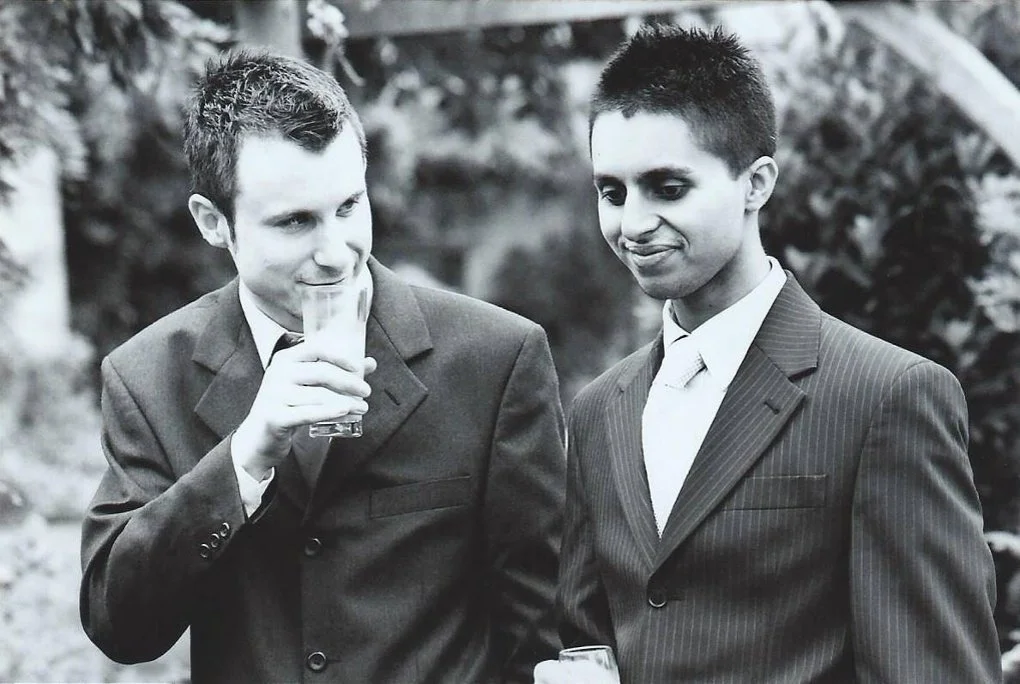
Ethical storytelling for charities: the “Naz Rule” and why consent isn't a checkbox
Ethical storytelling for charities means putting the dignity and agency of the person whose story is being told ahead of the organisation's need to tell it. The Naz Rule is a simple ethical test: before you share anyone's story, ask "If this person were standing behind me right now, reading every word - would they feel safe, respected, and accurately represented?"

How to turn boring charity data into a story funders actually feel
Turning charity data into stories requires combining specific numbers with real human experiences so that neither stands alone. The One Number Method is a three-step framework: pick your most human data point, find the real person inside it, and show what happens if the number moves. This approach works in grant applications, impact reports, board papers, and digital content. The key insight is that a number on its own is a claim - a number with a person inside it is proof.
What is social impact storytelling? The definitive UK guide
Social impact storytelling is the practice of turning the real experiences, outcomes, and human stories behind social change work into compelling narratives that build trust, secure funding, and move people to act. It sits at the intersection of ethical communication, fundraising strategy, and human connection. This guide covers what it is, why it matters for UK charities in 2026, and how to do it well.

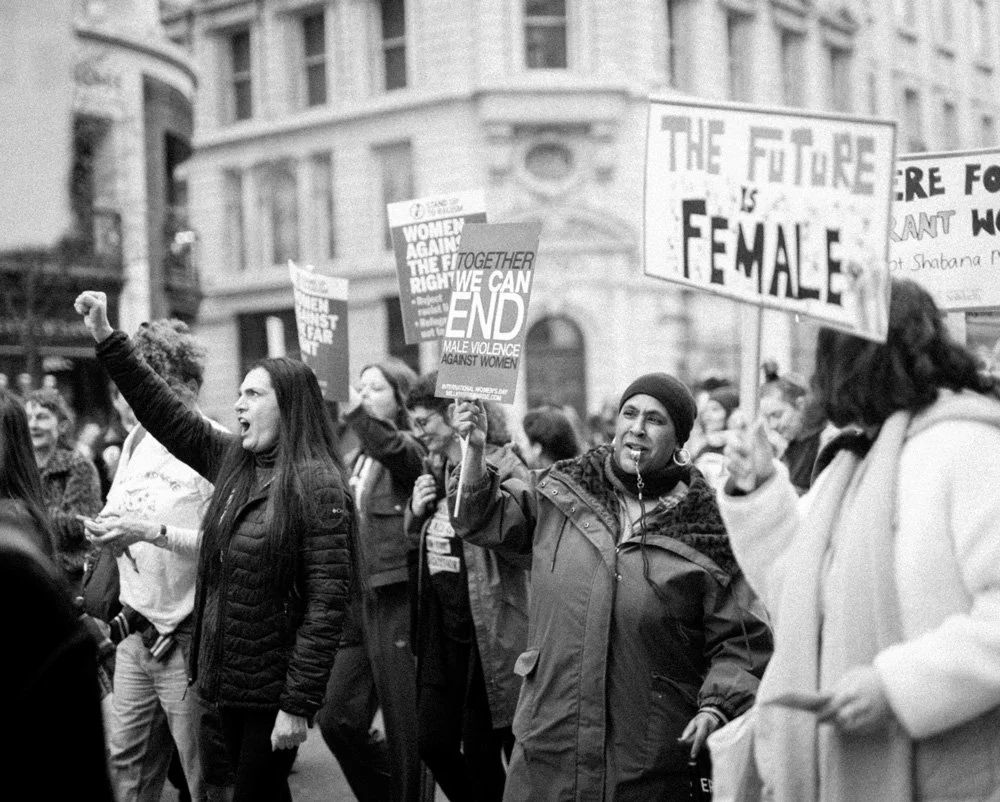
Half a million people marched through London. Here's the storytelling moment most charities missed.
Last Saturday, half a million people marched through central London in the Together Alliance march. But most charities miss this social impact story.

Your funder read your report and forgot it. Here's how to fix that.
What if the problem isn't your data but how you present it? A 3-step method for impact numbers that actually land.

Your best case study is probably a lie
Does every story you tell end with transformation? Funders are starting to notice. This week: a framework for honest stories that still get funded.
The Story Nobody Asked You to Tell
Are you telling stories because they matter - or because your communications calendar needed filling? This week: the question every storyteller should ask before they press anything.

Stop Telling Stories Backwards
Most organisations tell their impact stories in the wrong order. The result is that the most powerful evidence they have - the actual transformation - gets buried where nobody reads it.

How to deploy your founder story (even if you've never shared it before)
Three-quarters of charity CEOs never share their founder story publicly. Not because they don’t have one, but because they don’t know where to start. So make note — this article is the place to start!

Your charity's most powerful story is the one you're not telling
Most charity CEOs post updates about what they've achieved. But the story that builds the deepest trust - their own lived experience - remains untold.

Which Social Impact Stories to Develop First (when you can't do them all)
If your team captures 10 story leads in a month and you can only develop 2, which ones do you choose?
Why Your Best Stories Are Disappearing Before You Capture Them
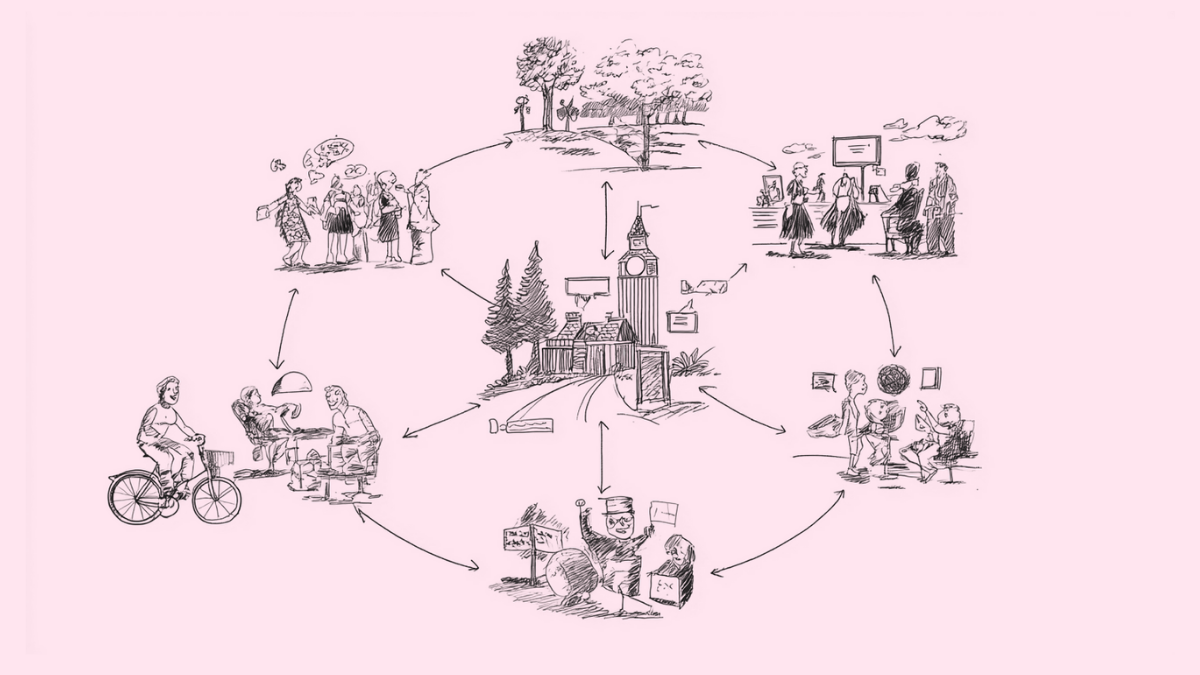
Your frontline team witnessed three perfect stories this week.
You’ll never hear about any of them. I've written about the four-stage system that fixes this.

Why funders keep asking “but what does success look like?”
Why funders keep asking what success looks like - and why most charities struggle to answer. Learn how to define your End Vision before planning your 2026 storytelling.

Before You Plan Your 2026 Storytelling, Answer This One Question First
Most charities are planning their 2026 storytelling backwards. To win this year, your organisation will need to answer this one very important question.
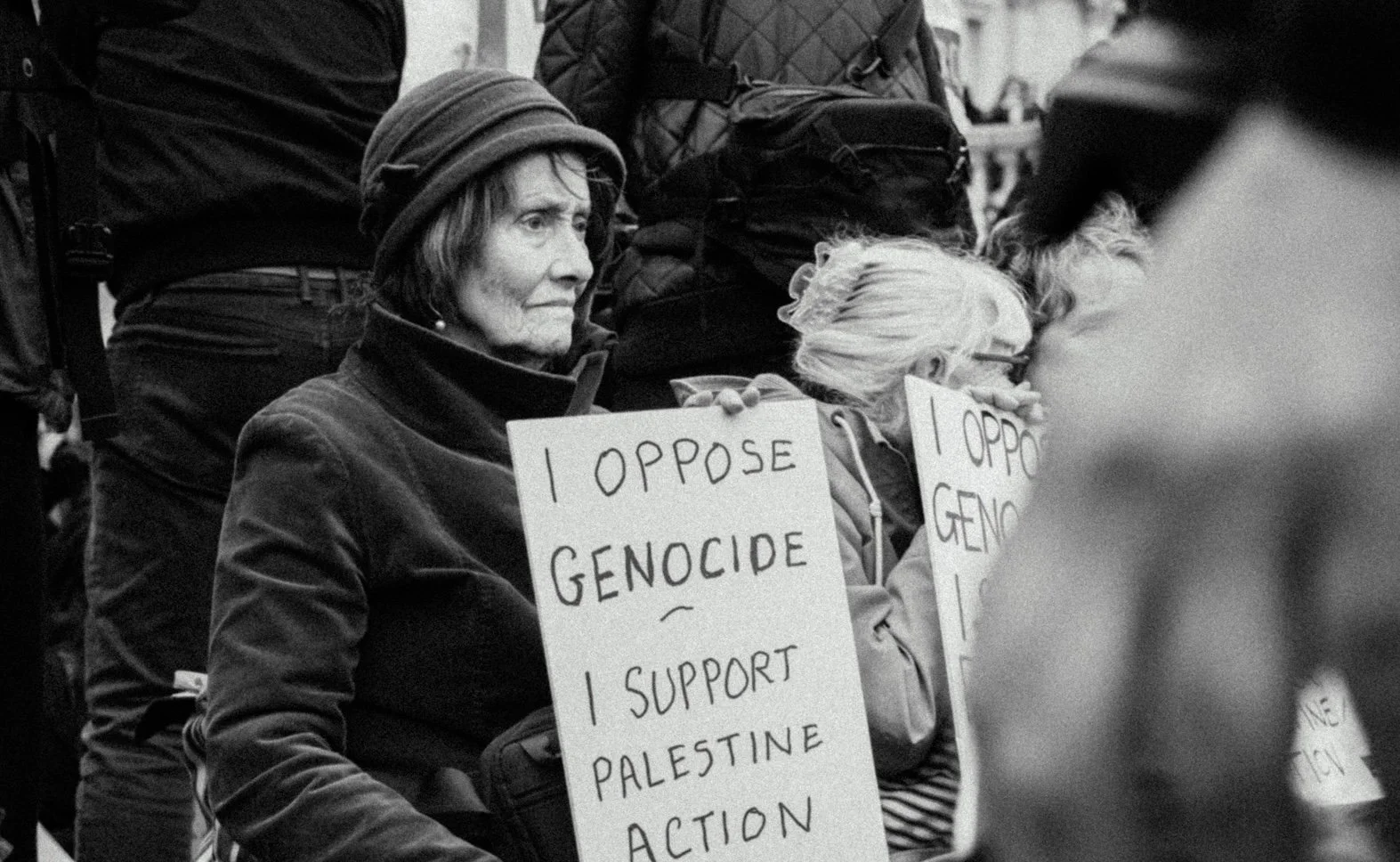
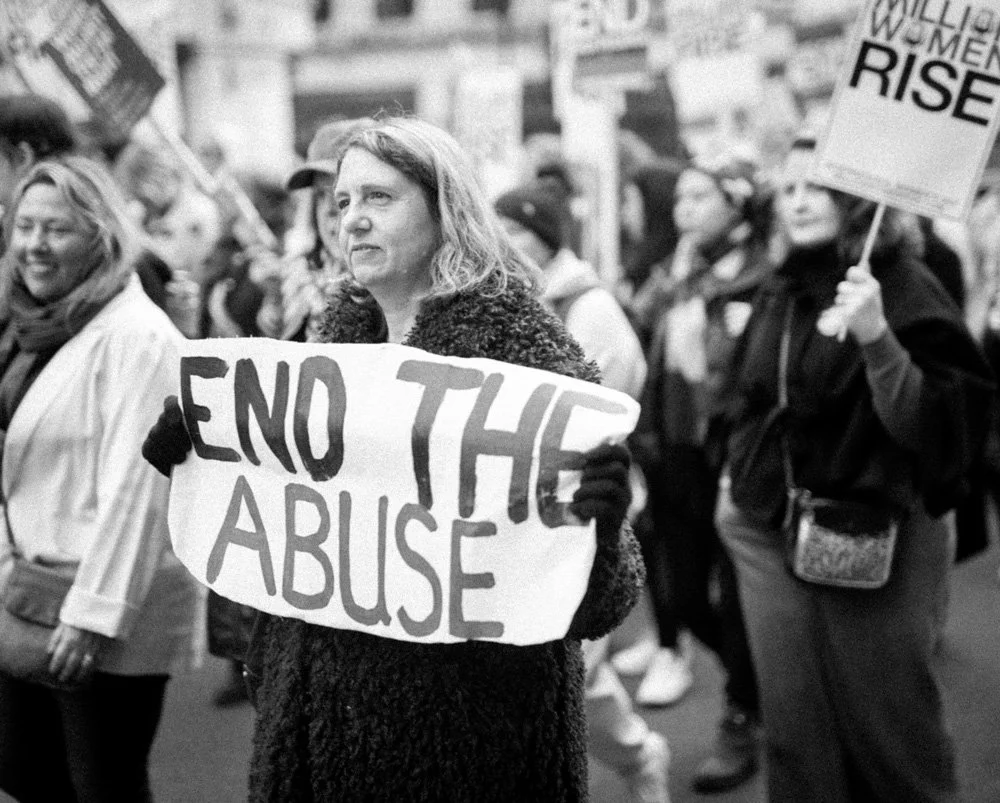
I Watched an 81-year-old Lady Get Arrested on Saturday
When 81-year-olds are being arrested for sitting peacefully, we're not talking about public safety anymore. We're talking about silencing dissent. And if we can't see that, if we can't talk about that, if we can't share that, then we've already lost what matters most. The freedom to tell the truth.

What Happens When You Stop Telling Stories?
If you’re not telling authentic stories about your work, your cause, or your community, you’re not just “taking a break.” You’re giving in.